
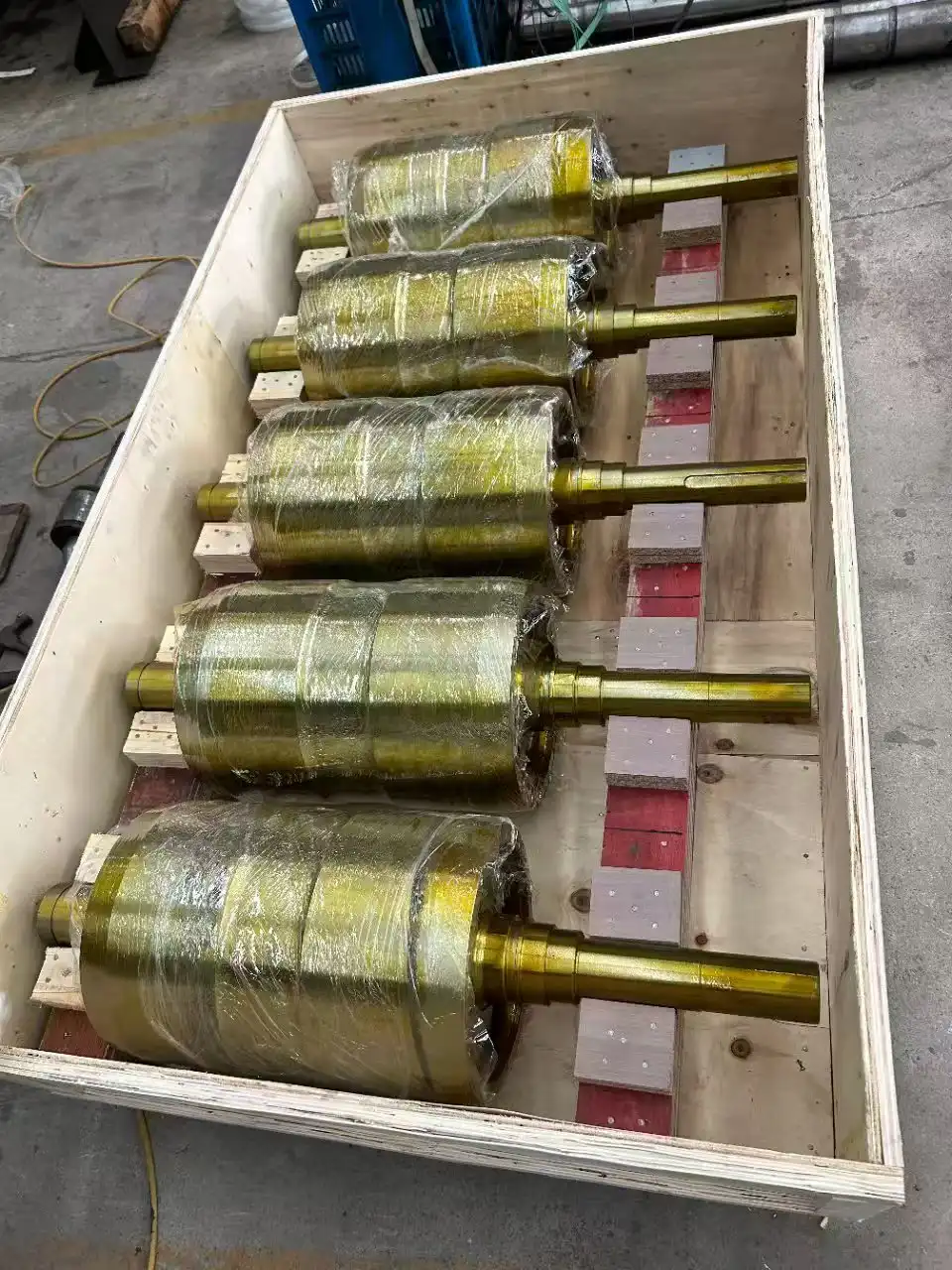
As a key load-bearing and positioning component in mechanical equipment, mandrels require strict control over dimensional accuracy, strength, concentricity, and surface quality. To ensure stable and reliable performance under actual working conditions, the manufacturing process typically includes the following steps:
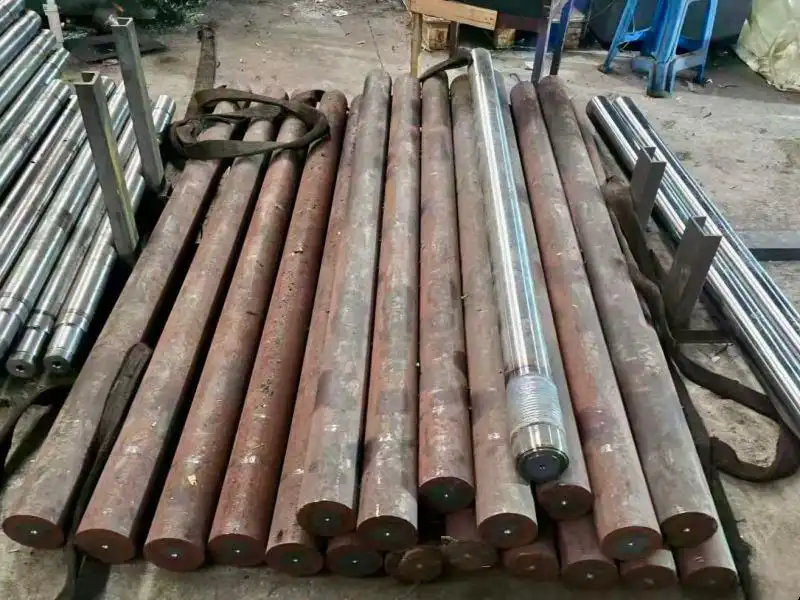
1.Material Selection and Cutting
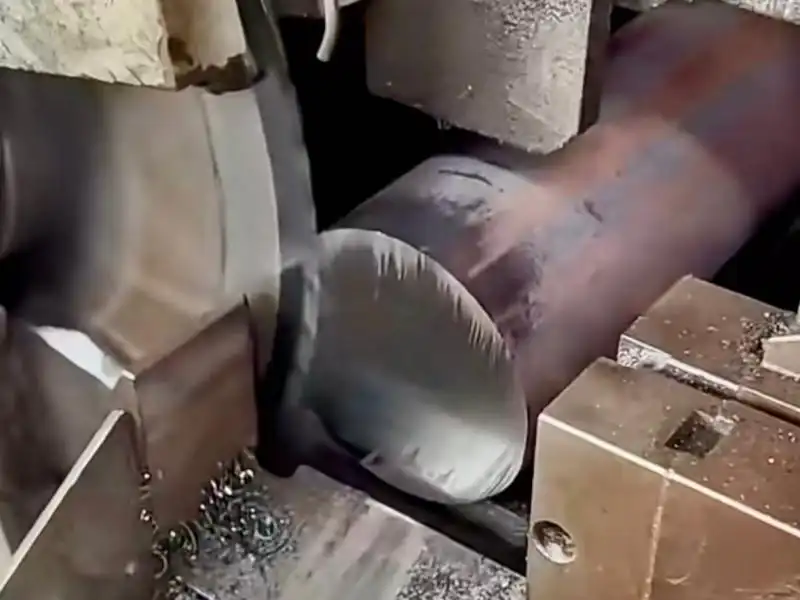
Based on the mandrel’s application and design requirements, suitable materials such as 45 steel, 40Cr, 42CrMo, and 40CrNiMo are selected. All raw materials must offer stable mechanical properties and consistency. Before cutting, the material is inspected for surface quality and material integrity to ensure it is free from cracks, inclusions, or other defects.
2.Forging or Rough Machining
For medium to large mandrels or those used under high-load conditions, forging is applied to refine the internal grain structure and improve strength and fatigue resistance. Rough turning is then performed to form the basic shape and stepped structure, leaving sufficient machining allowance for subsequent finishing operations.
3.Heat Treatment
Quenching and tempering are carried out according to the selected material and application requirements to achieve an optimal balance of strength and toughness. For mandrels used in heavy-duty or special operating conditions, heat treatment parameters such as temperature and time are strictly controlled to prevent deformation and ensure stable mechanical performance.
4.Finish Machining
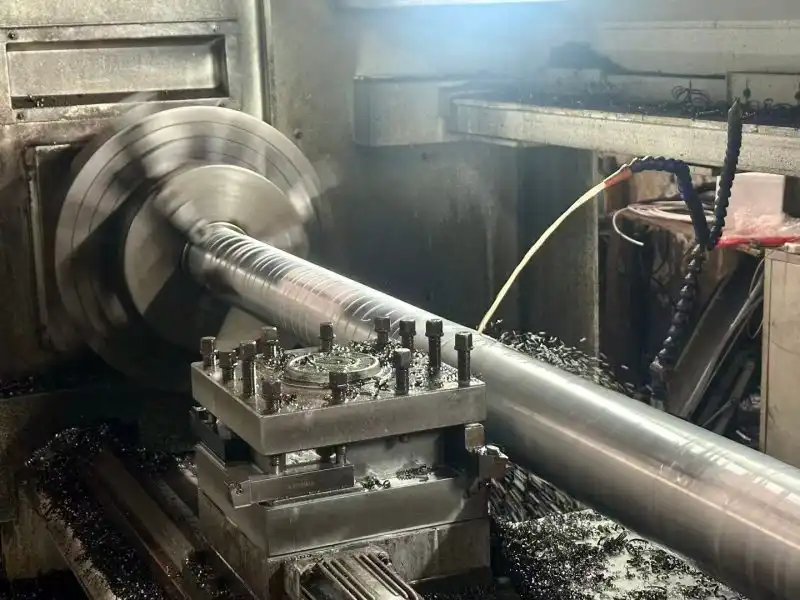
After heat treatment, finish turning and grinding processes are conducted. Special attention is given to controlling:
- Key outer diameter dimensions
- 圆度和同心度
- 阶梯过渡和拟合区域的准确性
During this stage, the mandrel centerline is typically used as the unified machining datum to ensure overall dimensional consistency.
5.Surface Treatment (If Required)
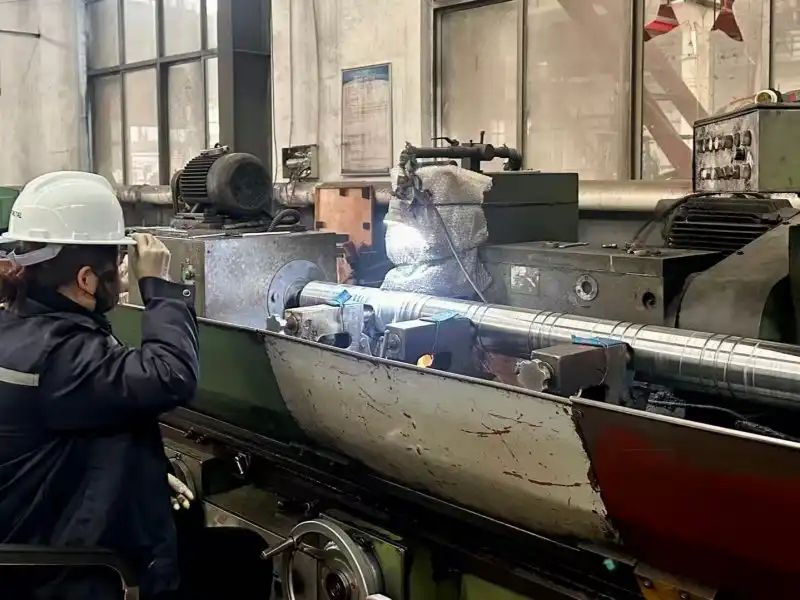
Depending on service conditions, additional surface treatments may be applied, including:
- Surface hardening
- Chrome plating
These processes enhance wear resistance, corrosion resistance, and overall service life.If surface finish requirements are specified, the parts are processed on a grinding machine to achieve the required surface quality.
6.Inspection and Quality Control
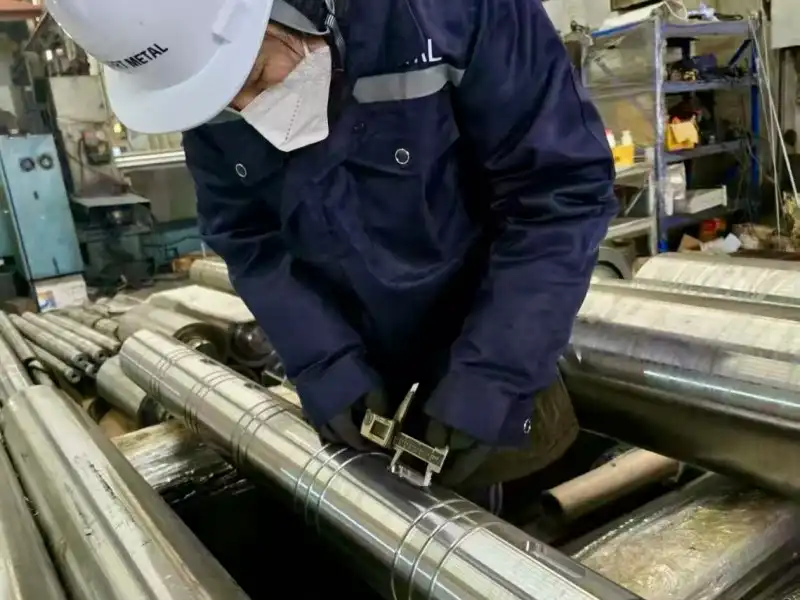
Upon completion of machining, comprehensive inspections are performed, including:
- Dimensional and tolerance inspection
- Concentricity and roundness measurement
- Hardness testing
- Visual and surface quality inspection
Critical dimensions are verified by quality control personnel using appropriate measuring instruments to ensure full compliance with drawings and technical specifications.
7.Finished Product Protection and Packaging
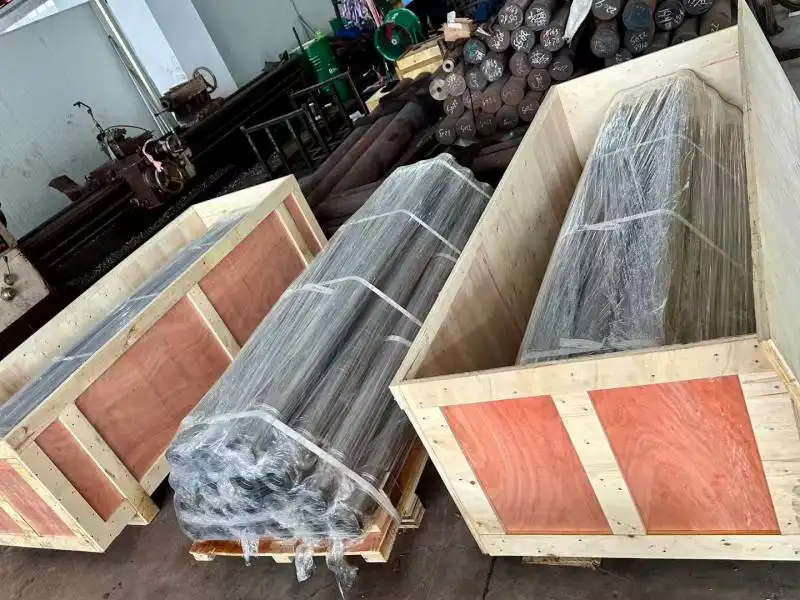
After passing inspection, the mandrel surface is treated with rust prevention measures and packed with reinforced protective packaging to prevent damage or deformation during transportation and storage.